Physical Enrichment: Sniffari walks, agility, digging areas.
Regular physical activity is important for your dog’s health.
Activities like fetch, tug-of-war, hikes, or agility courses help maintain fitness and provide an outlet for energy.
Tailor the intensity and duration of exercise to your dog’s age, breed, and health.

Sensory Enrichment: Scent work, new textures/surfaces, listening to different sounds.
Engaging your dog’s senses can prevent boredom and reduce stress. This includes:
- Olfactory (Smell): Scent work, such as hiding treats for your dog to find, taps into their natural sniffing instincts.
- Visual (Sight): Providing toys with different colors and shapes or allowing your dog to watch the outside world through a window.
- Auditory (Sound): Playing calming music or introducing new sounds in a controlled manner.
- Tactile (Touch): Offering toys with various textures or creating areas with different surfaces for your dog to explore.
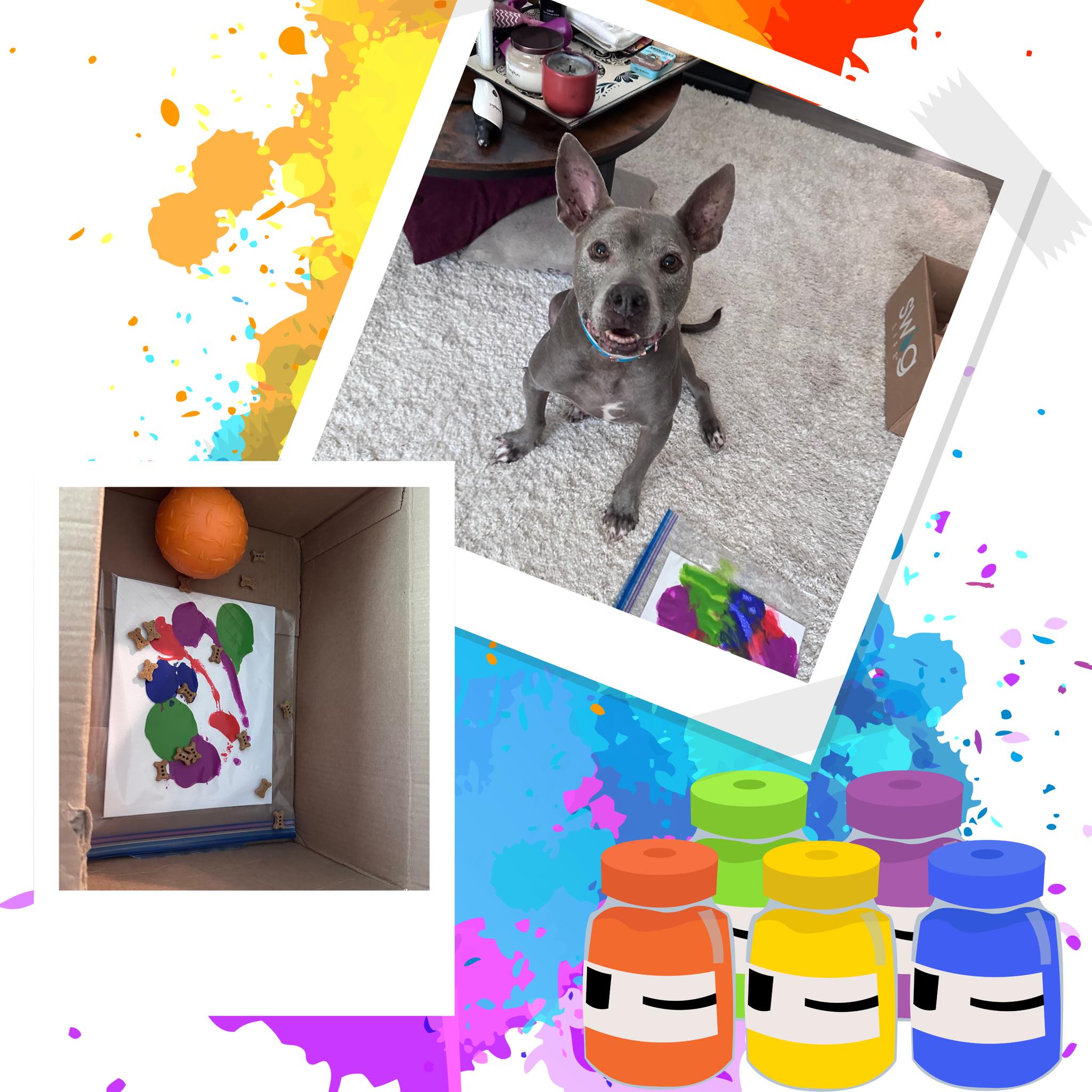
Cognitive Enrichment: Puzzle toys, trick training, problem-solving games.
Stimulating your dog’s mind is as important as physical exercise. Puzzle toys, training sessions, and problem-solving games encourage them to think and learn. This not only keeps their mind sharp but also builds confidence.
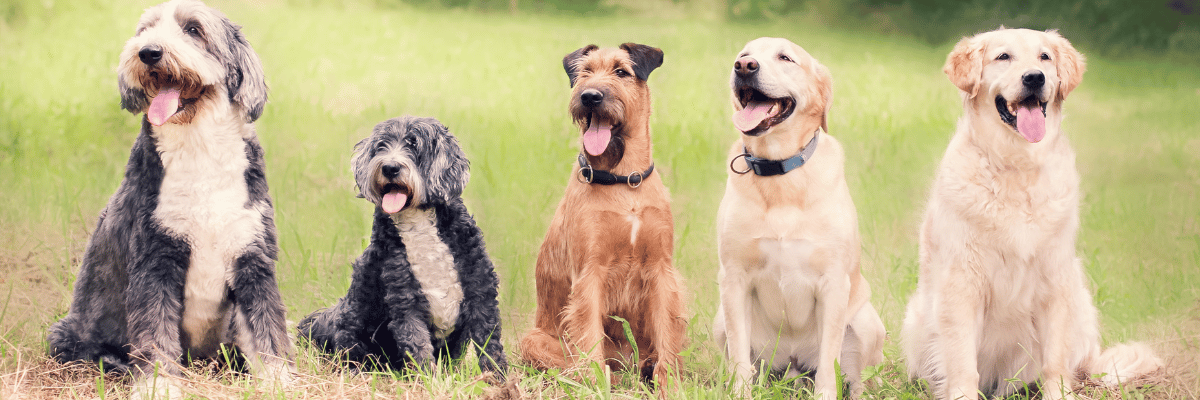
Social Enrichment: Playdates, dog-appropriate social interactions, cooperative play.
Social enrichment is more than just playtime with people or other animals—it also includes introducing dogs to new environments, sights, sounds, and smells.
Exposure to different experiences in a safe and controlled way builds confidence and prevents fear-based behaviors.
- Human Interaction: Engaging with family members through play, training, and affection strengthens the bond between dog and guardian.
- Other Animals: Supervised interactions with well-matched dogs or other friendly animals provide valuable social skills.
- New Environments: Taking your dog to explore different places, such as parks, trails, or pet-friendly stores, exposes them to novel experiences that keep them mentally stimulated.
Feeding Enrichment: Food puzzles, scatter feeding, different textures/tastes.
Instead of serving food in a regular bowl, make mealtime more engaging:
- Foraging: Scatter food in the yard or hide it around the house, encouraging your dog to search for it.
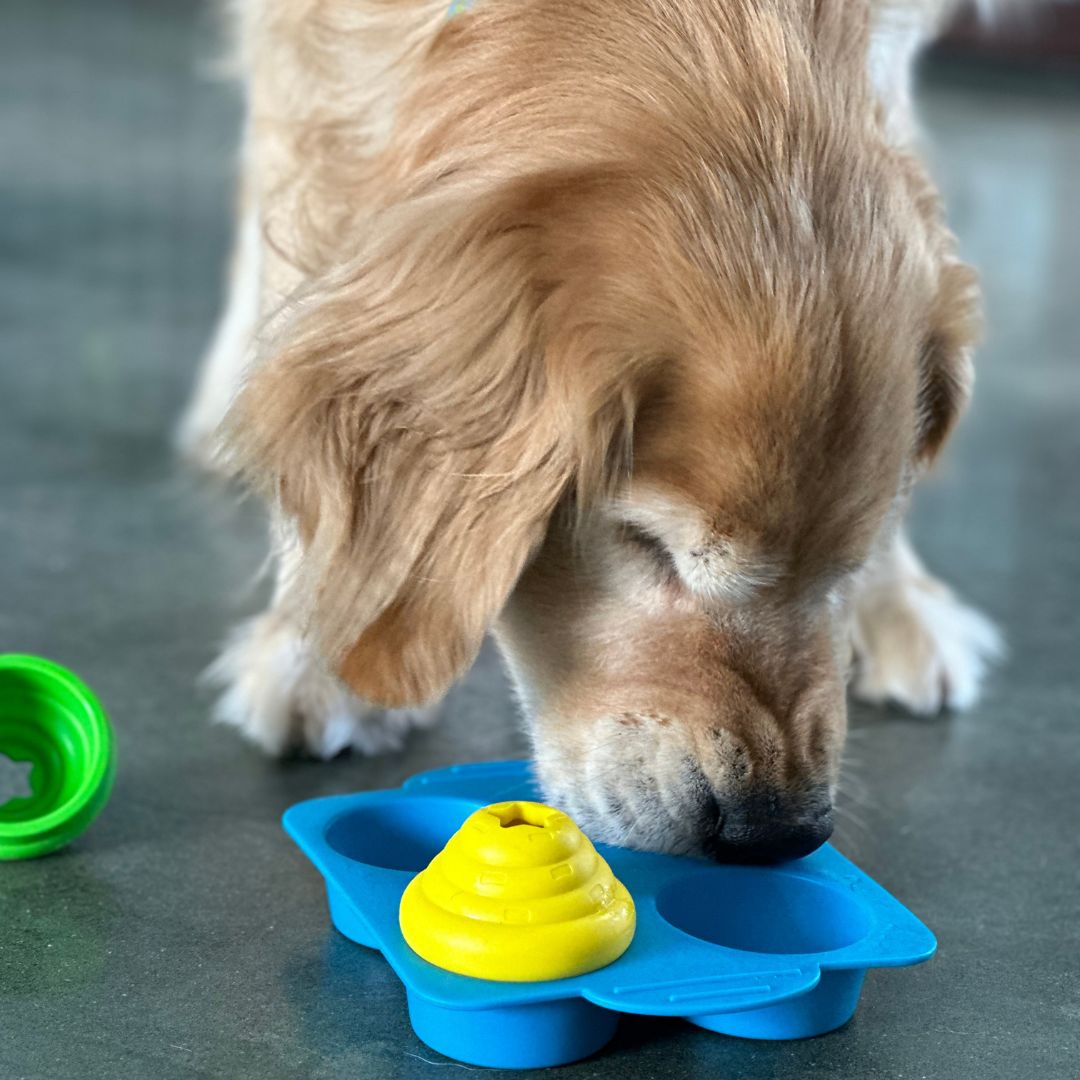
- Puzzle Feeders: Use toys that release food as your dog manipulates them, promoting problem-solving and slowing down fast eaters.

Environmental Enrichment: Rotating toys, rearranging furniture, novel objects.
Enhancing your dog’s living space can provide new experiences:
- Novel Objects: Introduce new toys or safe items for your dog to explore.
- Varied Walks: Change your walking routes to expose your dog to different environments and smells.
- Safe Spaces: Create cozy areas where your dog can retreat and relax when needed.
By incorporating these types of enrichment into your dog’s daily routine, you cater to their natural behaviors and needs, leading to a happier and healthier companion.